
Data integrity for SEO has quietly become the discipline that decides whether AI systems trust your website. For years, technical SEO meant crawlability, speed, and clean indexing. That work still matters, but a second layer now sits on top of it: can a machine read your pages, understand exactly what each fact means, and repeat it without getting anything wrong? When Google, Gemini, and other models pull answers from your site, the accuracy of your structured data is what keeps you in the answer. Here is what data integrity for SEO means, why it now outranks old checklists, and how to build it step by step.
Key Takeaways
- Data integrity for SEO means giving machines clear, consistent, verifiable facts about your business, not just clean crawling.
- AI models extract factual atoms like prices and dates from structured data, so ambiguity raises the risk of being misquoted or skipped.
- Schema did not die. Google removed FAQ rich results in June 2026, but the vocabulary still feeds AI understanding.
- Think in five layers: entities, relationships, format, actions, and perception.
- Start with stable entity identifiers and consistent facts, then layer on relationships, formats, and third-party validation.
What is data integrity for SEO?
Data integrity for SEO is the practice of making sure the facts on your website are clear, consistent, and machine-verifiable across every page and format. Traditional technical SEO asked whether a crawler could reach and index your content. This new layer asks a harder question: when a language model reads your page, does it understand who you are, what you sell, and how your facts connect to the wider web without guessing?
The shift matters because AI systems do not rank pages the way classic search did. They extract facts, judge credibility, and assemble an answer. If your price appears three different ways across your site, or your business name never links to a known identifier, the model has to guess. Guesswork is where you lose. Clean, unambiguous data is where you win. This builds directly on the crawlability basics we cover in how technical SEO problems stop websites from getting leads.
Why does data integrity for SEO matter now?
Two forces made this urgent. First, AI search reads code, not just copy. Structured data lets a model extract factual atoms, a price, a date, an address, a rating, with high confidence, which reduces the chance it hallucinates about your brand. Second, ambiguity compounds. If one model misreads you, it can pass that error to the next system, and the mistake spreads through answer after answer.

The way to fight ambiguity is to anchor your facts to stable identifiers. Give each important entity a persistent @id, connect it to recognized references such as Wikidata or your official profiles with sameAs, and keep the same fact identical everywhere it appears. That consistency is what lets a machine treat your data as trustworthy rather than uncertain. We go deeper on the identity side in our guide to AI search verification and closing the identity leak.
The five layers of data integrity
It helps to picture data integrity for SEO as five layers, each building on the last. Work through them in order and you cover everything a machine needs to trust your site.
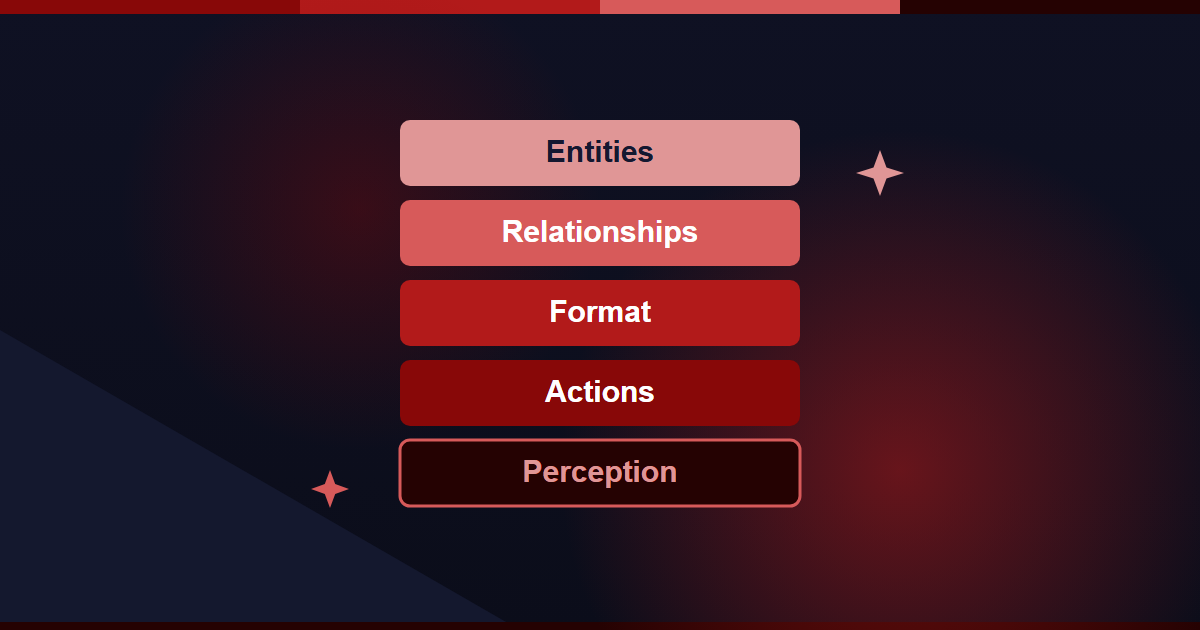
- Entities. Give people, products, and your organization stable identifiers so machines know exactly which thing you mean.
- Relationships. Connect those entities to each other and to known references with properties like sameAs, so your facts sit inside a wider graph.
- Format. Serve data in machine-friendly formats such as JSON-LD, RDFa, or clean Markdown so it parses reliably.
- Actions. Describe what users can do, book, buy, contact, using Schema.org Actions and emerging agent protocols.
- Perception. Reinforce your claims with grounding and third-party validation so outside sources confirm what you say about yourself.
Did schema markup die in 2026?
No, and this is where many marketers misread the news. Google has trimmed its rich results gallery, removing several supported types over the past two years, and it deprecated FAQ rich results in June 2026. That change affects how those results display in search, not whether the underlying vocabulary is useful. Schema.org, launched in 2011 through a rare consensus among Google, Microsoft, and Yahoo, still gives machines the shared language they use to understand your content.
Structured data now serves three jobs, not one. It feeds the indexing pipeline, it informs how models learn during training, and it supports retrieval when a model answers a live query. SEOs historically tracked only the first job. The other two are exactly why you keep your markup accurate even when a rich result disappears. You can review the vocabulary at Schema.org and follow implementation rules in Google’s structured data documentation.
How do you improve data integrity for SEO?
You do not need every protocol on day one. Build in priority order so each step strengthens the next.
- Audit your facts first. Make sure your name, address, prices, and key claims are identical across every page and profile.
- Add stable identifiers. Use @id for core entities and connect them to Wikidata, official profiles, or product identifiers with sameAs.
- Keep clean JSON-LD. Mark up your organization, products, and articles, and validate the code so it parses without errors.
- Describe actions. Spell out how people book, buy, or contact you so agents can act on your behalf. Protocols such as WebMCP, ACP, and Google’s commerce work show where this is heading, as we explain in our look at Google’s universal commerce protocol and its SEO implications.
- Earn outside validation. Consistent mentions, reviews, and citations from trusted sources confirm your data and improve how AI perceives your brand, which also helps you with getting cited by AI search.
Frequently asked questions
Is data integrity the same as technical SEO?
It is the next layer of it. Technical SEO makes your pages crawlable and fast, while data integrity makes the facts on those pages clear, consistent, and verifiable so machines can trust and reuse them.
Does structured data still help SEO in 2026?
Yes. Even with fewer rich results, structured data helps AI models understand your content, extract facts accurately, and cite you. It supports indexing, model training, and live retrieval.
What is semantic drift?
Semantic drift is when a small inaccuracy about your brand gets repeated and amplified across AI systems. Clear identifiers and consistent facts reduce the ambiguity that causes it.
Where should I start with data integrity for SEO?
Start by making your core facts consistent everywhere, then add stable entity identifiers and clean JSON-LD. Layer on actions and third-party validation once the basics are solid.
The bottom line
Search is moving from a game of matching keywords to a test of whether machines can trust your facts. Data integrity for SEO is how you pass that test. Anchor your entities, keep every fact consistent, serve clean structured data, and let trusted outside sources confirm your story. Do that work now, and you position your brand to be understood, quoted, and recommended as AI systems take a larger role in how people find what you offer.